
Whoa!
I remember opening a Solana wallet extension for the first time and feeling a little dizzy.
The UI was simple, but the jargon hit like a cold wave.
It felt like walking into a San Francisco coffeeshop where everyone speaks NFT and no one explains prices.
As I dug deeper, I realized that the friction wasn’t just design—it was a blend of security, UX decisions, and developer tendencies that clash in everyday use.
Really?
The first time I moved an NFT I braced for a disaster.
My instinct said “do a test transfer first” and I’m glad I listened.
I sent a tiny splash of SOL and watched the transaction confirmation with that weird mix of excitement and dread.
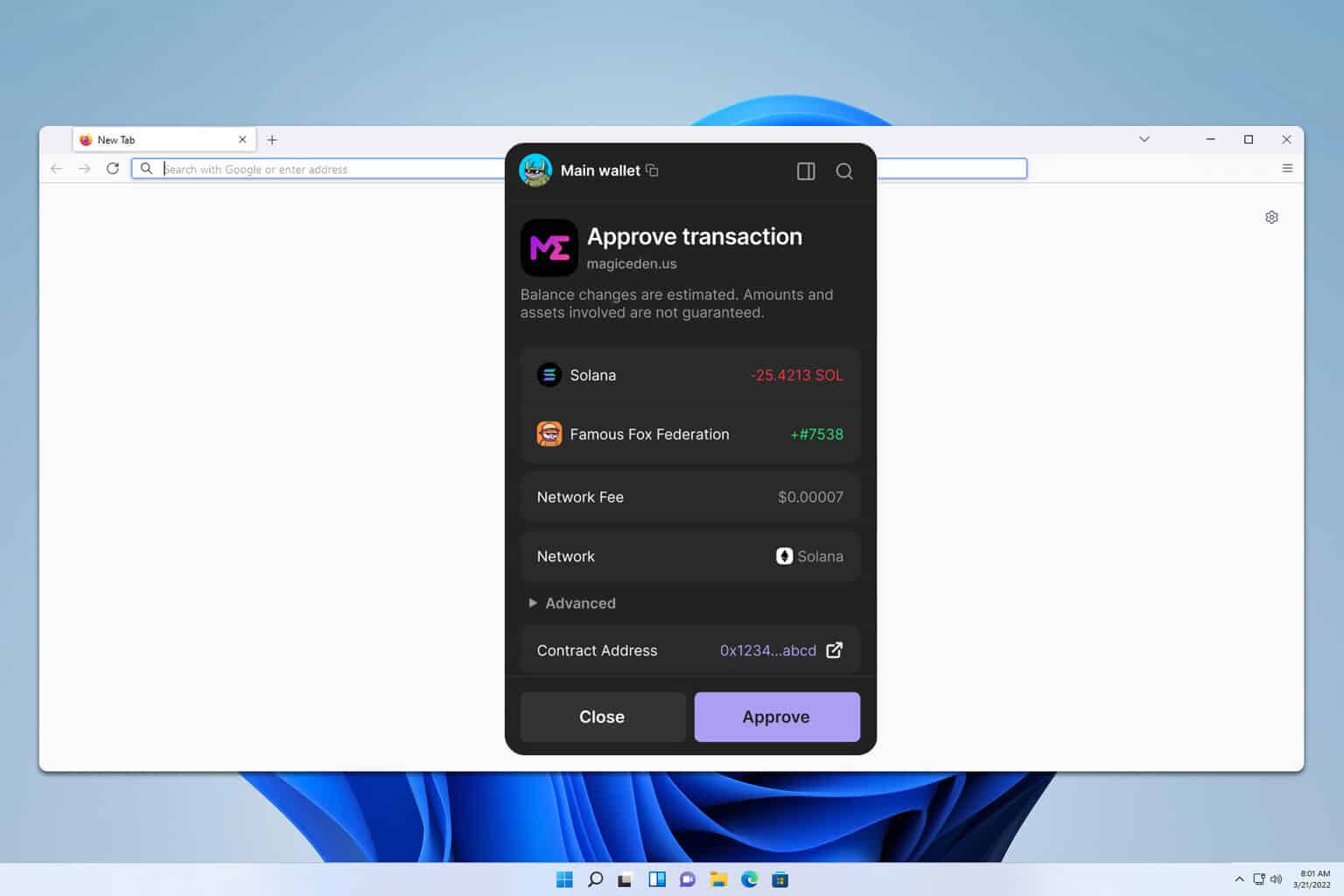
On one hand it was smooth, though actually, wait—let me rephrase that: the wallet handled the swap fine, but the unclear wording almost tripped me up when approving permissions, which still bugs me.
Here’s the thing.
Initially I thought extensions would all behave the same way, like Chrome tabs with a little crypto tag.
But then I noticed subtle differences in permission prompts, in how NFTs appear, and in how dapps connect to accounts.
Something felt off about how some wallets request “full account access” without clear limits.
So you end up learning the hard way which approvals are reasonable, and which ones should be refused unless you trust the dapp deeply because malicious approvals can linger and cause headaches later.
Whoa!
Security is the backbone, but people treat it like a speed bump.
A good extension makes secure defaults obvious and painless to use.
Bad ones expect you to be an infosec engineer—which is unfair, and often unnecessary.
What I watch for most are clear seed phrase flows, hardware-wallet support, and whether the extension isolates sites properly so one compromised site doesn’t leak into every session, because isolation matters more than flashy features.
Really?
NFT handling deserves a paragraph all to itself—no joke.
Some wallets show NFTs like trading cards without metadata, making provenance hard to verify.
Others embed previews nicely, though they sometimes expose contract addresses in a way that confuses casual collectors.
If you’re collecting art, look for rich metadata support and a way to verify creators, because that’s how you avoid fake mints and heartache when somethin’ turns out not to be original.
Whoa!
Performance surprises people more than you’d think.
A slow extension can ruin a moment during a drop when you need to sign fast.
Browser tabs, network lag, and heavy dapp scripts all conspire to make signing feel risky and slow.
So I test in peak times—like during a big mint or auction—and note whether transactions queue or time out, because real-world stress tests show where an extension actually stands.
Where to get a trusted browser extension (my casual recommendation)
Whoa!
If you want a straightforward place to start, check the official-looking installer pages and community threads before you click install.
I’ve used a few wallets and tended to prefer those with honest changelogs and visible dev teams.
For a convenient reference that I sometimes send to friends who ask about Phantom-style extensions, see this page: https://sites.google.com/cryptowalletextensionus.com/phantomwalletdownloadextension/.
That link helped a buddy set up his first extension without falling for an impersonator, so it was very very helpful in that case.
Really?
Installation tips matter because phishing clones are everywhere.
Always verify the extension publisher name and check reviews for version-history notes.
When the publisher is ambiguous or the description promises “free mints,” be skeptical.
And if you’re on a shared or work machine, consider using a separate browser profile or dedicated browser just for your crypto activity, because compartmentalization helps limit blast radius.
Hmm…
Recovery and seed management are the boring but vital parts.
Write your seed phrase down, then write it again—physically—and store it somewhere safe that isn’t a sticky note on your monitor.
I’m biased, but hardware wallets plus an extension bridge are the safer route for big holdings, though they add friction for everyday trading.
On the flip side, extensions with integrated seed vaults are convenient but increase the risk if your machine gets compromised, so weigh convenience against exposure carefully.
Whoa!
Integrations with dapps can look seamless but hide nuance.
A wallet that auto-connects to every site is convenient, but also dangerous if you forget which permissions you granted last week.
Check access logs or connection history in the wallet periodically, and revoke unused dapp permissions.
Actually, wait—sometimes the wallet UI buries revoke buttons under menus, which is annoying, so I end up hunting for them and feeling a little annoyed every time.
Really?
Mobile and desktop interactions are not identical.
Extensions are great for desktop-heavy workflows like marketplace browsing and rapid signing, while mobile wallets excel at QR flows and convenience.
If you plan to hold NFTs you bought on desktop, test viewing them on mobile too because some metadata rendering differs between platforms.
On a pragmatic level, syncing accounts securely across devices matters more than icing on the cake features, so prioritize stable cross-device support.
Whoa!
Troubleshooting is a craft unto itself.
If an extension stalls, start with the simple steps—restart the browser, clear site data for the dapp, and ensure the extension is updated.
Sometimes an obscure Chrome flag or privacy extension interferes, and tracking that down takes patience.
I often tell friends: try a test transaction of a few cents before committing, and use developer tools when you suspect a CSP or script-blocking issue, because the error logs usually whisper what went wrong.
Here’s the thing.
I’m not 100% certain on future-proofing everything, and honestly, that’s part of the charm and the stress.
On one hand I want frictionless experiences that behave like modern web apps, though on the other hand I’m uncomfortable with permissions that grant broad control without clear time limits.
So my working approach is conservative: keep small balances in daily-use wallets, move the rest to a hardware-backed or cold storage solution, and treat each new dapp with a small, cautious test interaction before trusting it with larger amounts.
Whoa!
The ecosystem is maturing, but it still needs friendly guardrails.
Wallet extensions that educate users during critical moments—like seed creation or permission granting—win my loyalty.
I like subtle nudges: short tooltips, clear language, and the occasional “are you sure?” for risky approvals.
That’s human-centered design, and it reduces costly mistakes without annoying power users who want to move fast.
FAQ
How do I verify an extension is official?
Whoa!
Check the publisher name against the official project website and social channels.
Look for cryptographic signatures or links to the source repo when possible.
Review recent update notes and community feedback to spot suspicious patterns.
If anything feels off or the install prompt asks for unusual permissions, pause and research first.
Can I use the same wallet for NFTs and day trading?
Really?
Yes, but separate concerns when you can.
Use a primary wallet for everyday trading and a cold or hardware-backed wallet for high-value NFTs.
That split reduces risk if a dapp behaves badly or if you mistype a recipient.
I’m not 100% sure about every edge case, but this pattern has saved friends and me from avoidable headaches.