
Okay, so check this out—I’ve been messing with hardware wallets for years, and some days it feels like carrying a safe through an airport. Whoa! Seriously? Yep. My instinct said hardware keys were the best move the first time I saw cold storage in action, but then I discovered the trade-offs you rarely hear about. Initially I thought staking from a hardware wallet was just “set it and forget it”, but then realized the UX and subtle signing steps change everything, especially if you’re juggling NFTs and routine transactions.
Short version: hardware wallets dramatically reduce surface area for theft. Hmm… longer version: they don’t make you invincible. Wallets secure private keys offline, which cuts out many remote attack vectors, though physical theft and social-engineering are still real. On one hand cold storage is simple—your seed phrase and device are the crown jewels—though actually, the way devices handle staking keys and transaction signing can vary wildly between models and firmwares, so a little care goes a long way.
Here’s the thing. Staking while using a hardware device usually involves delegating or bonding tokens without exposing your private key. Wow! In practice that means you approve staking transactions on-device while your wallet software crafts the transaction. This two-step is the safety net: the software can be compromised, but the device still sees the final transaction to sign. However, some blockchains require more frequent on-chain interactions or have different staking models, so your workflow may feel clunkier than a mobile-only approach. I’m biased, but that extra tap on the device is worth the peace of mind.
Transaction signing itself is where most users either breathe easy or scratch their head. Really? Yes. The device shows you the destination, amounts, and sometimes the contract data; you confirm with a button press. But here’s a quirk—different wallets show different levels of detail. Some devices render the entire contract address and even parse contract calls, while cheaper ones will only show hex snippets that mean nothing to a human. That gap? It bugs me, because a visible mismatch can be the difference between a normal transfer and an approval that drains your tokens.
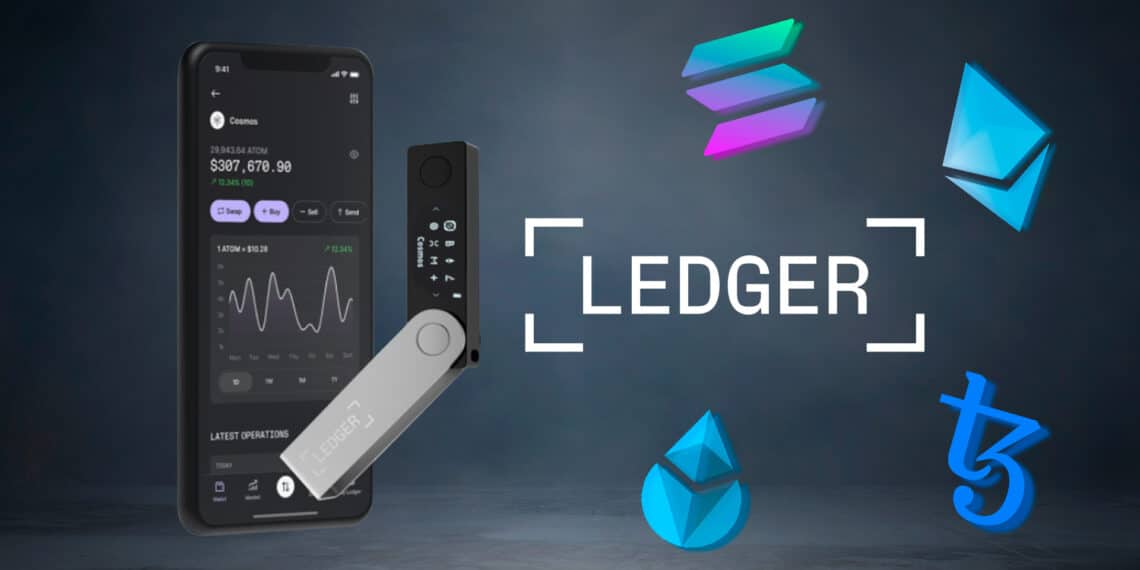
Practical tips for staking, signing, and holding NFTs https://sites.google.com/cryptowalletuk.com/ledger-live/
First—always verify what you sign. Seriously? Yep. If the device doesn’t clearly show token names, addresses, or a human-readable action, pause and investigate. A good habit: check the receiving address byte-for-byte on your device, not on your computer screen, because clipboard malware and browser compromises are common. On the other hand, some flows—like staking via smart contracts—are long, complex transactions that might not render neatly; in those cases, consult trusted guides and use read-only explorers to confirm details before pressing the button.
Second—use a dedicated, minimal computer when possible. Hmm… it’s overkill for some, but worth considering if you manage large sums. Air-gapped setups and fresh OS installs reduce background noise, though they add friction. Initially that sounded extreme to me, though after a small scare with a compromised machine I switched tactics. Actually, wait—let me rephrase that: start with good hygiene (OS updates, anti-malware, separate browser profile) before you try air-gapping. Small steps first.
Third—consider device firmware and app management. Hardware wallets get feature updates: staking integrations, NFT previews, and contract parsing improve over time. Keep firmware updated, but read release notes—some updates introduce UI changes that could cause confusion, and very rarely new bugs. Something felt off about an update I installed once; I pushed back, read community threads, and avoided a minor UX trap. So yeah: update, but be deliberate.
Now about NFTs—there’s nuance. NFT metadata often lives off-chain, so your device signs a token transfer but might not show the art or the collection name. That ambiguity creates phishing space: you might think you’re transferring a JPEG, but you’re approving a token move that includes other permissions. Wow! Check the smart contract address on your device against known collection addresses. If the wallet doesn’t display enough info, use a trusted marketplace or explorer to confirm details prior to signing. Also, some wallets add dedicated NFT views and thumbnails in their UI—those are handy, but they don’t replace verifying contract logic.
Staking-specific caveats: some networks use “delegation with slash risk”, where misbehavior by validators can reduce your stake. Hmm. That means your hardware wallet protects keys, but you still need to choose validators wisely. On one hand you want high yield; on the other hand a validator with poor uptime or risky behavior can cost you. My rule? Diversify delegates and favor validators with transparent operations. I’m not 100% sure about which specific validator tools are best for every chain, but community dashboards and on-chain analytics are your friends.
Workflow examples that work for me: use a hardware wallet for custody, a dedicated desktop or virtual machine for interacting with DApps, and a separate hot wallet for low-value trades. Seems tedious? It is, sometimes. But I’ve avoided at least one phishing scam because my hot wallet had minimal funds. Also—backups. Triple-check your seed phrase backup method. Paper backup? Fine. Metal backup? Better. Store copies in geographically separated spots. Don’t store the phrase as a photo in cloud storage unless you like living dangerously.
Quick checks before signing: who is asking for permission, which contract function is being called, and what exact assets are moving. Really quick: pause, read, and confirm. That three-second delay is a superpower against social-engineering. Also, consider using tools that simulate contract interactions so you can preview effects prior to signing. Some wallets and explorers offer “read-only” simulations that show state changes—use them.
FAQ
Can I stake directly from any hardware wallet?
Short answer: most, but not all. Many major hardware wallets support staking for common chains like Tezos, Cosmos, Polkadot, and Ethereum (via L2s or liquid staking). The UX and available validators vary, and some chains require more complex on-chain steps. If your device supports a chain, double-check the official app or vendor docs before moving funds.
Will my hardware wallet show me NFT art before I sign?
Usually no. Devices often display token IDs and contract addresses, but not the art itself, because metadata is off-chain. Some wallet apps fetch thumbnails for convenience, but the device usually doesn’t render the image. So verify contract addresses and metadata through explorers or marketplace listings first.
What if I lose my hardware wallet?
If you lose the device but have your seed phrase, you can recover funds on a new compatible device; that’s the whole design. If the phrase is compromised, however, funds are at risk. Keep backups secure and consider multi-sig setups for added protection on larger holdings.
Look—there’s no magic bullet. Some days I’m excited about hardware advancements; other days I’m annoyed by tiny UI regressions that could trick people. Somethin’ about the field keeps me hooked though, and I think that’s because security and UX are slowly converging. If you’re storing value, take the time to learn the signing steps, vet validators, and treat your seed phrase like it’s your passport and your house keys combined. You’ll thank yourself later… or maybe you’ll just sleep better. Either way, small deliberate habits protect big balances.